MS. FOLSOI'S LIBRARY WEBSITE
  • Home
    • LIBRARY POLICIES AND EXPECTATIONS
    • GOALS FOR STUDENTS
    • ACCESSING THE ONLINE CATALOG
  • Class Resources
    • A.P. SEMINAR
    • A.P. RESEARCH
    • AVID
    • ART
    • ENGLISH >
      • Ms. Amberger
      • Mr. Eisner
      • Mr. English
      • Ms. Folsoi's Ninth Grade English
      • Ms. Liaw
      • Ms. Lomeli
      • MR. MC CLURE
      • MS. MITCHELL
      • Ms. Phear
      • WASC
    • FOREIGN LANGUAGE
    • Math >
      • `
    • SOCIAL STUDIES
    • SCIENCE >
      • MR. ROSE
    • Teacher Input
  • Research
    • WHERE CAN I FIND INFORMATION?
    • Uni History
    • Featured Resource
    • LGBTQ+ RESOURCES
    • PROJECT TEMPLATES
    • INTERESTING RESEARCH TOPICS
    • HELP WITH CITATIONS
    • AP Library Access
    • Writing My Research Paper
    • SEARCH TERMS CORNELL NOTES
    • IDENTIFYING MEDIA BIAS
    • TECH TOOLS
    • WHY IS MY RESEARCH PROJECT SO OVERWHELMING?
    • ABOUT PLAGIARISM
  • ACCESSING THE ONLINE CATALOG
  • FINDING BOOKS IN THE LIBRARY
  • ACCELERATED READER
  • NEW BOOKS
  • BOOK REQUEST FORM
  • College Information
    • SCHOLARSHIPS AND GRANTS
    • GENERAL INFORMATION
    • PRIVATE, HBCU, LGBT, ETC
  • Ms. Audino
  • World War I
  • Eisner - Stuff You Should Know
  • American Literature Author Project
  • Primary Source Document Sites
  • Databases
  • Remote Access
  • Orozco
  • Scientist Biography Reports (Leon/Neely)
  • Research Skills
  • Save The Day
  • Interesting Issues
  • Senior Research Project
  • African-Americans
  • ADVANCED SEARCHING ON EBSCO
  • Ms. Hwang
  • Ms. Rosen
  • Clowns
  • Netflix Search Terms
  • Citation Samples
  • Still Trying to Program
  • Research Rubrics
  • Juvenile Justice
  • Career Cruising
  • Ms. Liaw
  • Women in STEM
  • IDEA Resources
  • A.P. Research
  • Feminism
  • Blog
  • Holocaust Research Resources
  • Library Survey Results
  • Uni Archives
  • Uni News
  • Autism Awareness
  • Suicide Awareness
  • Schoology
  • Online Teaching
  • Teacher Resources
  • Tattoo Project
  • News Literacy Project

Autism awareness

Day One
​Sensory overload

Discussion Questions
​Before watching the video discuss this:  
1.  What makes you feel the most irritated or overwhelmed?  Is it silence?  People talking during a movie?  Too many things happening at once?  Think of a place, behavior, or situation that makes you feel like you can't take it anymore.
 
After watching the video discuss this:  
2.  What do you think it would be like to experience that level of overload most of the time?
3.  Have you ever talked to a person with autism to find out what it's like for to sit in class or walk down the hall?

Day Two
​Misunderstood

Discussion Questions
​Before watching the video discuss this:  
1.  Have you ever been in a situation where you someone assumes they know what you want without asking you.  How did it feel?
2.  Have you ever been in a situation in which you were treated as less important or someone acted like you were invisible? What was it and how did you feel?

After watching the video discuss this:  
3.  Have you ever asked a person with autism what it feels like when someone make assumptions about what they are experiencing or what they want?


Day Three
​Walk in my shoes

Discussion Questions
​Before watching the video discuss this:  
1.  Has there ever been something that everybody just assumes you should understand or enjoy, but you don't –and you wish you could make people get it?  What is it? 
After watching the video, discuss this:
 
2. If you had a friend with autism, what would be a caring way to ask them to explain what they need their friends to understand about them?
3.  If you are a person with autism, what would be a caring words to use to let your friends know what you need from them?

​

days four and five

The articles below discuss certain types of jobs at which some people with autism excel.  There are many other fields where they can be successful.  There are many people with autism in our community, and it is important for people who are "neuro-typical" and people with autism to learn how to work together to make our organizations, businesses, and communities as successful as possible.   The bottom line is we all have different talents and different quirks, and we need to learn how to work with one another for the best outcomes for all.
After you both of these articles, what similarities do you notice between Tajiri and the employees described in the first article?  What differences do you notice?  In what ways are Tajiri and the other other workers described in these articles similar to just about anyone?
Your browser does not support viewing this document. Click here to download the document.
The article refers to people with Asperger's syndrome.  That term is no longer used, and people who were formally considered to be people with Aspergers are now considered to be people with autism. It is correct/preferred to use the term "a person with autism" rather than "an autistic person" when referring to someone. 

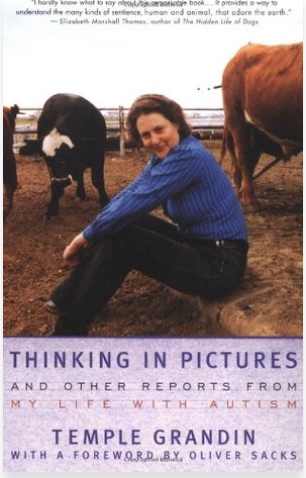
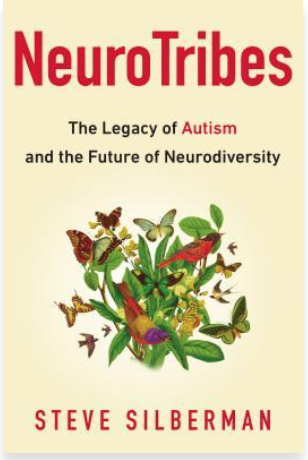
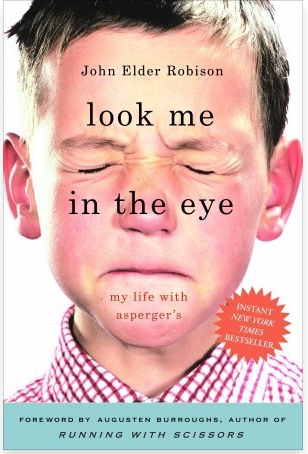
Books about people or characters with autism

Picture
Picture
Picture
Picture
Picture
Picture
Picture
Picture
Proudly powered by Weebly